In recent years, psilocybin, the active compound found in certain species of mushrooms, has emerged as a potential breakthrough in the world of mental health and therapeutic healing. For herbalists and students of herbal medicine, understanding the science behind psilocybin opens new doors to integrating this powerful medicine into herbal practices.
While psilocybin has been used in shamanic and spiritual rituals for centuries, modern research is unveiling its vast therapeutic potential. In this post, we will explore the science behind psilocybin, its mechanisms of action, and how it might complement traditional herbalism.
Psilocybin’s Mechanism of Action: How Does It Work?
Psilocybin is classified as a psychedelic compound, and its effects are primarily due to its interaction with serotonin receptors in the brain. Specifically, psilocybin is converted into psilocin in the body, which has a high affinity for the 5-HT2A serotonin receptor. These receptors are concentrated in areas of the brain involved in mood regulation, perception, and cognition. When psilocin activates these receptors, it induces a range of effects, from altered perception and heightened emotional responses to profound shifts in consciousness and ego dissolution.
While psilocybin has been used in shamanic and spiritual rituals for centuries, modern research is unveiling its vast therapeutic potential. Leading the way in this exploration is the Johns Hopkins Center for Psychedelic and Consciousness Research, where groundbreaking studies are examining its impact on mental health disorders like depression and PTSD.
For herbalists, this understanding is vital as it links psilocybin to a broader conversation around serotonin modulation — something many herbs also influence. For example, plants like St. John’s Wort (Hypericum perforatum) and Rhodiola (Rhodiola rosea) are known to affect serotonin levels, albeit through different mechanisms. Knowing how psilocybin interacts with the brain allows herbalists to consider its potential synergies with these serotonin-modulating herbs, as well as possible contraindications.
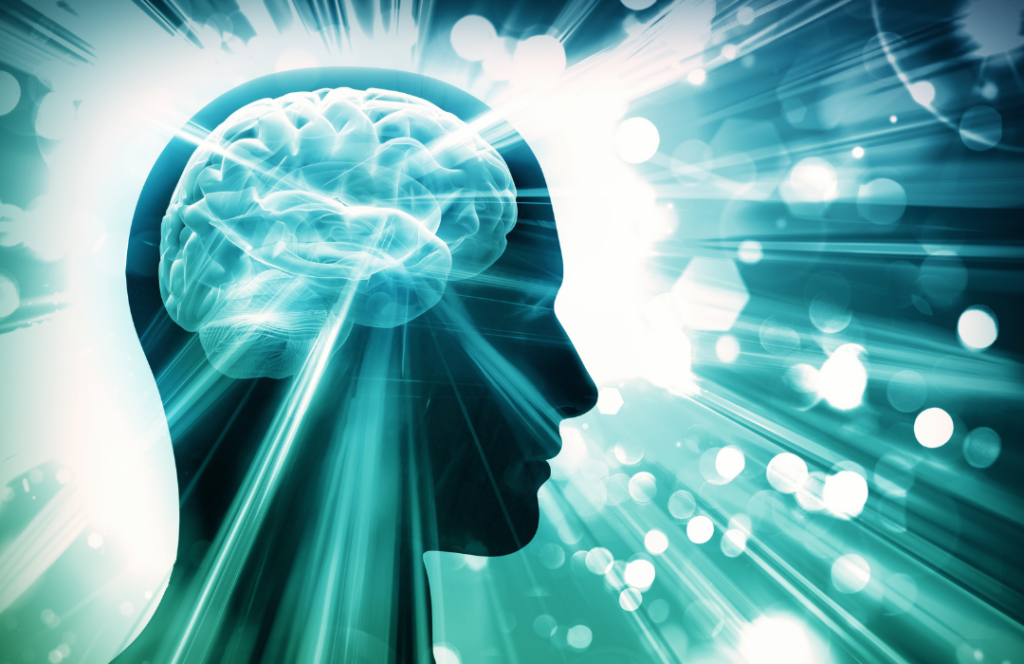
Neuroplasticity: Psilocybin’s Role in Rewiring the Brain
One of the most exciting findings about psilocybin is its ability to promote neuroplasticity, which is the brain’s capacity to form new neural connections. Studies have shown that psilocybin can enhance the growth of dendritic spines—small protrusions on neurons that help transmit electrical signals. This means that psilocybin may not only help rewire old, maladaptive thought patterns but also aid in creating new, healthier ways of thinking and being.
This is a fascinating area of overlap with herbal medicine. Many herbs traditionally used to enhance cognitive function—such as Ginkgo biloba and Gotu Kola (Centella asiatica)—are believed to support neuroplasticity and cognitive health. Combining psilocybin therapy with these herbs might offer a complementary approach, reinforcing the brain’s ability to heal and grow through multiple pathways.
Psilocybin and the Default Mode Network
Another key area of research focuses on psilocybin’s effects on the brain’s Default Mode Network (DMN). The DMN is active when we are at rest, reflecting on the past, or thinking about the future. It’s often described as the center of the “ego”—our sense of self. Overactivity in the DMN has been linked to conditions like depression and anxiety.
Psilocybin has been shown to temporarily disrupt the DMN, leading to what is often called “ego dissolution.” This experience can allow people to break free from entrenched patterns of thought and behaviour, offering a fresh perspective on their lives and mental health. For herbalists, understanding the DMN and psilocybin’s ability to “reset” it could inform how we approach deeply rooted emotional and psychological conditions, particularly when used alongside grounding herbs such as Ashwagandha (Withania somnifera) or Skullcap (Scutellaria lateriflora), which help stabilize the nervous system.
Emotional Healing and Mystical Experiences
A unique aspect of psilocybin therapy is its potential to induce profound mystical or spiritual experiences. Many users report a sense of interconnectedness with the world, a loss of ego, and intense emotional catharsis. These experiences can lead to long-lasting changes in mental health, including reductions in anxiety, depression, and post-traumatic stress disorder (PTSD).
For herbalists, this opens up a dialogue about the role of emotional healing in holistic practice. Herbs such as Rose (Rosa spp.) and Hawthorn (Crataegus spp.) are traditionally used to support the emotional heart, helping individuals process grief, trauma, and emotional wounds. Pairing these heart-centred herbs with psilocybin therapy may help deepen emotional healing, providing a multifaceted approach to care that integrates both the emotional and spiritual dimensions of health.
Stay Tuned: Exploring Psilocybin Therapy in Part 2
As we continue to explore the science behind psilocybin and its potential role in herbal medicine, there’s still much to uncover. In our next blog, we’ll dive deeper into the different approaches to psilocybin therapy, including the distinctions between microdosing and macrodosing.
We’ll also explore how these methods can complement traditional herbal remedies for mental, emotional, and spiritual well-being. Stay tuned – Part 2 will be released next month! You won’t want to miss this next step in understanding how psilocybin can fit into your herbal practice.

 Ready to Dive Deeper into the World of Medicinal Mushrooms?


